Understanding the Cost for Shipping Containers: An In-Depth Exploration with T-N Container Services
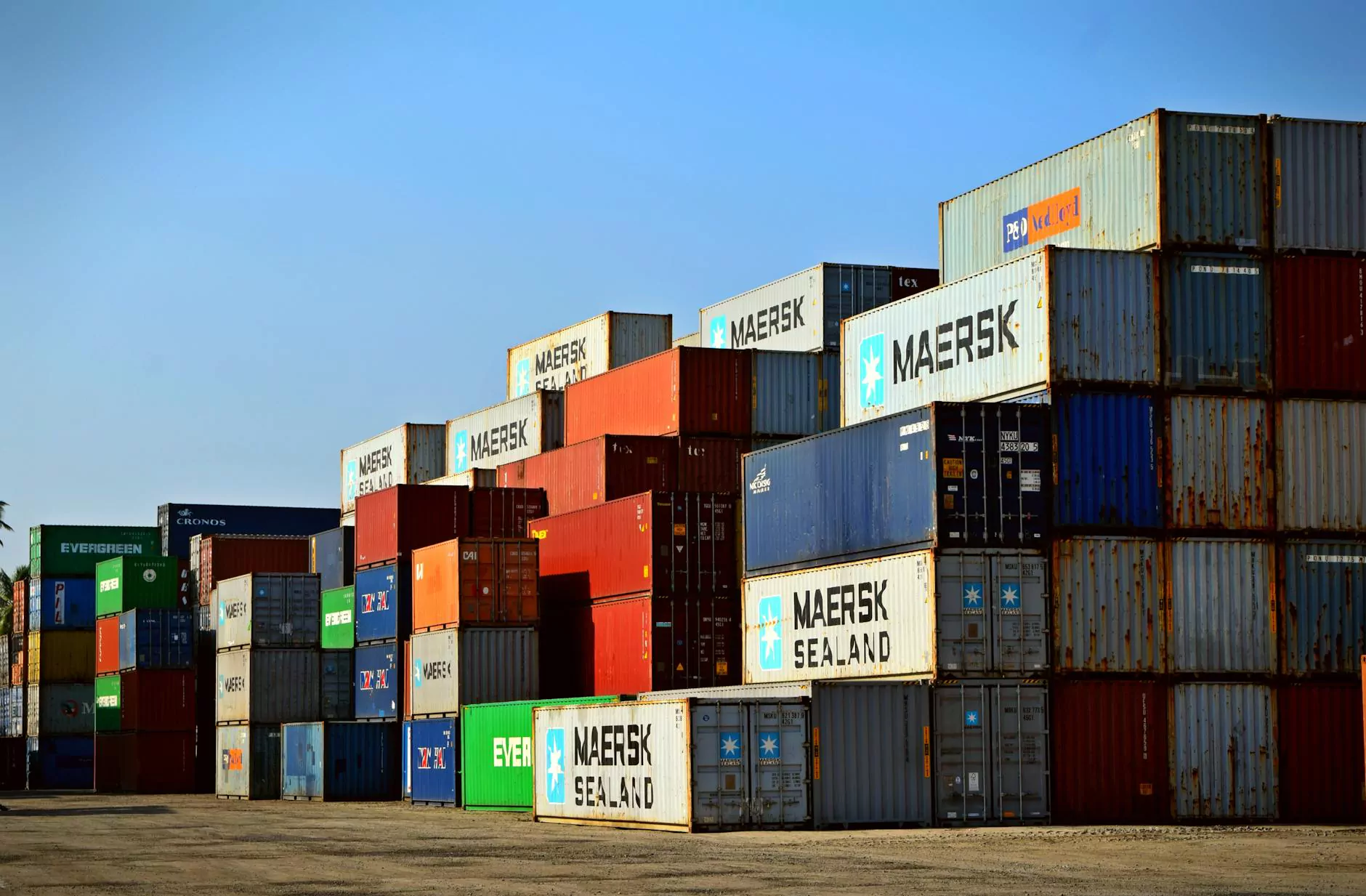
Efficient logistics and transportation are pivotal elements of global commerce, enabling businesses to move goods seamlessly across borders and continents. At the heart of this infrastructure are shipping containers—robust, versatile, and essential for secure transportation. When planning international or domestic shipments, understanding the cost for shipping containers becomes crucial for budgeting, decision-making, and achieving optimal supply chain efficiency.
In this extensive guide, we will delve into every aspect influencing the cost for shipping containers. Whether you're a small business owner, a logistics manager, or an entrepreneur exploring shipping options, gaining comprehensive knowledge about shipping container costs can empower you to make smarter, more cost-effective choices. Plus, you'll learn how T-N Container Services stands out as a trusted partner that helps you navigate these complexities seamlessly.
Factors That Influence the Cost for Shipping Containers
The price of shipping containers is not fixed; it depends on numerous variables. Recognizing these factors enables you to anticipate costs more accurately and avoid unexpected expenses. Below are the primary elements that impact the cost for shipping containers.
1. Container Size and Type
Containers come in different sizes and configurations, primarily:
- Standard Dry Containers (20ft and 40ft): The most common types used for general cargo.
- High Cube Containers: Slightly taller, providing extra vertical space, generally costing a bit more.
- Specialized Containers: Refrigerated (reefer), open-top, flat rack, or tank containers. These often have higher costs due to their specialized construction and features.
Naturally, larger containers or specialized types usually involve a higher initial purchase or leasing cost and can influence freight charges.
2. Shipping Distance and Route
The overall distance and the specific shipping route significantly affect the cost for shipping containers. Longer routes, transoceanic crossings, and less direct routes often incur higher charges due to fuel consumption, port handling, and logistics complexity.
3. Shipping Method: FCL vs. LCL
The choice between:
- Full Container Load (FCL): When your shipment fills an entire container.
- Less than Container Load (LCL): When your shipment shares container space with other cargo.
Generally, FCL offers a more predictable and sometimes more economical solution for larger shipments, whereas LCL might increase per-unit costs but is flexible for smaller loads.
4. Pick-up and Delivery Locations
The proximity of pickup and delivery points to major ports, warehouses, or transportation hubs influences costs. Remote or less accessible locations may involve additional handling fees, drayage charges, or additional logistics arrangements that escalate overall expenses.
5. Container Supply and Market Trends
The global supply and demand for shipping containers can cause fluctuations in pricing. During periods of high demand or container shortages, prices tend to spike, especially for new or used containers.
6. Additional Services and Customization
Services such as container modification (for example, adding refrigeration, windows, or ventilation), insurance, packing, and storage can significantly influence the total cost. Evaluating which additional features add value to your shipment is key to managing expenses.
Understanding Pricing Structures in Shipping Container Costs
The cost for shipping containers is typically structured around several billing components:
- Container Purchase or Lease Price: The upfront cost for owning or renting a container.
- Freight Charges: The cost of transporting the container from port to port or door-to-door.
- Port and Handling Fees: Charges levied by ports for loading, unloading, and storage.
- Insurance: Protects your cargo during transit, adding to the total expense.
- Customs and Duties: Taxes and tariffs required by destination countries.
A detailed understanding of each component helps in budgeting effectively and optimizing overall shipping costs.
Strategies to Minimize the Cost for Shipping Containers
While certain costs are unavoidable, several strategies can help you reduce expenses and achieve better value:
Optimize Shipment Volume
Combining shipments or choosing the right container size ensures maximum utilization, lowering the per-unit shipping cost.
Plan Shipping Schedules Carefully
Scheduling shipments during off-peak seasons can reduce freight charges, as demand for container space tends to fluctuate throughout the year.
Leverage Alternate Routes and Ports
Exploring less congested ports or alternative routes might offer cost savings, especially with the assistance of experienced logistics providers like T-N Container Services.
Negotiate With Service Providers
Establishing long-term relationships or bulk contracts often yields discounts and better terms on container leasing and freight costs.
Invest in Container Maintenance and Quality
Well-maintained containers reduce risk of damage, avoid penalties, and prolong the lifespan, which is economically beneficial over the long term.
Why T-N Container Services Is Your Ideal Partner for Shipping Solutions
At T-N Container Services, we understand that the cost for shipping containers is a critical concern for modern businesses. Our company stands out due to:
- Extensive Container Inventory: We offer a wide range of new and used containers tailored to your needs, helping you find the right size and type at competitive prices.
- Competitive Pricing: Our flexible leasing and purchase options allow you to minimize costs while maintaining quality and reliability.
- Customized Solutions: From refrigerated units to modified containers, we provide tailored solutions to fit your specific shipping requirements.
- Expert Consultation: Our team offers insights into optimizing your supply chain, reducing unnecessary costs, and improving efficiency.
- Global Logistics Network: We facilitate seamless transportation across major ports and regions, ensuring timely delivery and cost-effective shipping options.
Choosing T-N Container Services means partnering with experts dedicated to making your shipping processes not only cost-efficient but also effortless and reliable. Our commitment to quality and customer satisfaction ensures that your logistics expenses are optimized without compromising service standards.
Conclusion: Making Informed Decisions About the Cost for Shipping Containers
Navigating the complexities of shipping container costs involves understanding multiple interconnected factors—from container size and type to logistics routes and market dynamics. By analyzing these elements and implementing strategic practices, your business can significantly reduce expenses and enhance supply chain efficiency.
Remember, working with a reputable service provider like T-N Container Services offers added advantages: access to a broad inventory, expert guidance, and competitive pricing that align with your shipping goals.
Embrace informed decision-making today to optimize your shipping costs, improve operational efficiency, and propel your business toward sustained growth. With a comprehensive understanding of the cost for shipping containers and the right partner, success in logistics is well within reach.