Unlocking Business Success in Shipping Centers, Transportation, and Airports through Advanced Airway Freight Tracking
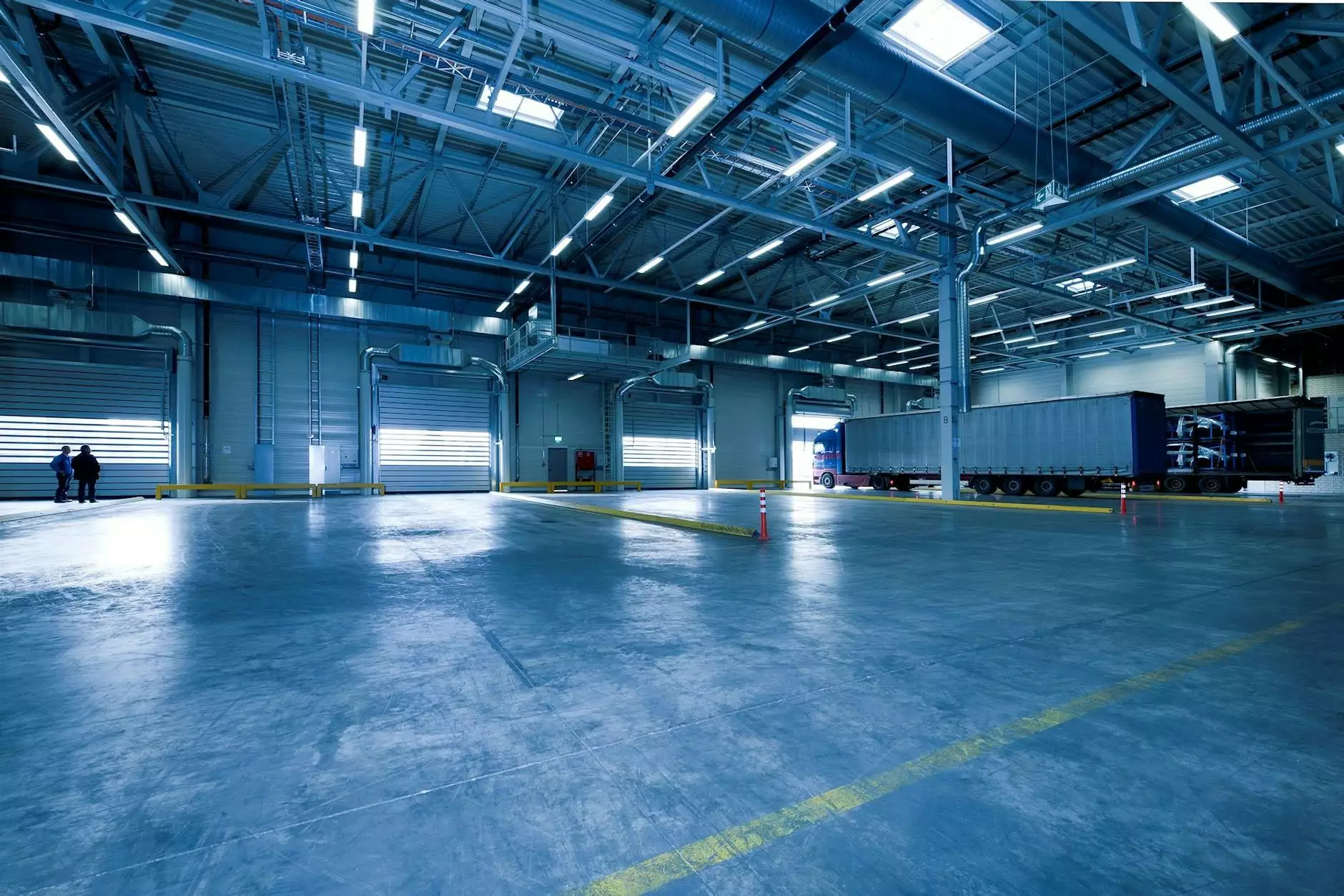
In today's fast-paced global economy, efficient logistics and transportation are the backbone of thriving businesses. Companies involved in freight shipping, airport operations, and transportation infrastructure must leverage the latest technologies to streamline their processes, reduce delays, and improve customer satisfaction. Among these innovations, airway freight tracking has emerged as a game-changer, providing real-time visibility and actionable data to optimize supply chain performance.
Understanding the Role of Shipping Centers, Transportation, and Airports in Modern Business
Before diving into the specifics of airway freight tracking, it is crucial to appreciate the interconnected roles played by shipping centers, transportation networks, and airports. These components collectively form the backbone of global trade, enabling rapid movement of goods across borders and continents.
Shipping Centers: The Heart of Supply Chain Efficiency
Shipping centers, often termed logistics hubs or distribution warehouses, serve as pivotal nodes where goods are consolidated, sorted, and dispatched to their final destinations. These centers are equipped with advanced infrastructure, including warehousing facilities, customs clearance, and value-added services, ensuring the smooth flow of products from manufacturers to consumers.
Transportation Networks: The Lifeline of Goods Movement
Effective transportation, encompassing road, rail, air, and sea, guarantees that shipments reach their destinations on time and in optimal condition. Innovations such as route optimization algorithms, GPS tracking, and freight management platforms are essential for minimizing transit times and reducing operational costs.
Airports: The Gateway to Rapid Global Trade
Airports are critical nodes in the international logistics landscape, especially for time-sensitive cargo. Modern airports are equipped with specialized terminals, customs facilities, and handling equipment designed to expedite freight processing. The integration of airport operations with advanced tracking and management systems further accelerates the throughput of goods.
The Significance of Airway Freight Tracking in Modern Business
Among all technological advancements, airway freight tracking stands out as a vital tool that empowers businesses to take control of their shipping processes. This technology offers unparalleled transparency, enabling stakeholders to monitor shipments in real-time, anticipate delays, and make data-driven decisions to enhance overall efficiency.
What Is Airway Freight Tracking?
Airway freight tracking refers to the use of digital systems, GPS, RFID, and IoT devices to continuously monitor the location, condition, and status of air cargo shipments. This system provides instant updates on departure, in-flight progress, customs clearance, and final delivery status.
Benefits of Implementing Airway Freight Tracking
- Real-time Visibility: Immediate access to shipment location and status updates minimizes uncertainties and enhances planning accuracy.
- Enhanced Security: Continuous monitoring reduces theft, loss, and damage risks through early alerts and proactive responses.
- Improved Customer Satisfaction: Accurate delivery estimates and proactive communication build trust and loyalty.
- Operational Efficiency: Data-driven insights facilitate route optimization, inventory management, and resource allocation.
- Compliance and Documentation: Automated data collection ensures adherence to customs and regulatory requirements, simplifying clearance processes.
Integrating Airway Freight Tracking with Business Strategy
Achieving maximum benefit from airway freight tracking requires integration into your overall business strategy. Here are critical steps to implement this technology effectively:
1. Choose the Right Tracking Platform
Select a system compatible with your existing logistics infrastructure, offering features such as multi-modal tracking, user-friendly dashboards, and mobile accessibility. Platforms like Cargobooking.aero specialize in providing comprehensive tracking solutions tailored to shipping centers, transportation providers, and airports.
2. Collaborate with Reliable Carriers and Partners
Partnering with reputable airlines, freight forwarders, and customs agencies ensures data accuracy and seamless information flow. A cohesive network enhances the overall efficiency of your logistics operations.
3. Train Staff for Optimal Utilization
Educate your personnel on the capabilities and benefits of airway freight tracking systems. Skilled staff can leverage technology to troubleshoot issues, analyze data, and improve operational processes.
4. Use Data Analytics for Continuous Improvement
Analyze tracking data regularly to identify bottlenecks, predict potential delays, and optimize routing. Leveraging advanced analytics drives continuous enhancement of your logistics strategy.
How Cargobooking.aero Elevates Business Operations with Advanced Tracking Solutions
Cargobooking.aero stands as a leader in innovative logistics technology, offering a robust platform specifically designed for businesses engaged in shipping, transportation, and airport services. Their expertise in airway freight tracking empowers clients with real-time data, streamlined communication, and intelligent insights.
Key Features of Cargobooking.aero’s Platform
- Comprehensive Shipment Monitoring: Track every stage of your cargo journey from origin to destination.
- Automated Alerts and Notifications: Receive instant updates on delays, customs issues, or potential risks.
- Customizable Dashboard: View relevant data tailored to your business needs, facilitating quicker decision-making.
- Integration Capabilities: Seamlessly connect with existing ERP, TMS, or other management systems.
- Security and Compliance: Ensure data protection and adherence to international standards.
Enhancing Business Outcomes with Cargobooking.aero
By leveraging advanced airway freight tracking, companies can experience:
- Reduced Transit Times: Optimize routes and anticipate delays for faster deliveries.
- Cost Savings: Minimize operational costs through better planning and reduced delays.
- Better Customer Engagement: Provide clients with accurate ETAs and real-time shipment status updates.
- Competitive Advantage: Stand out in the market by offering transparent, reliable logistics services.
Future Trends in Shipping and Transportation Technology
The logistics industry continues to evolve rapidly, driven by technological advancements and changing customer expectations. Key future trends include:
- Artificial Intelligence and Machine Learning: Enhancing predictive analytics and automation in shipment routing and anomaly detection.
- Internet of Things (IoT): Connecting devices and sensors for smarter cargo management and condition monitoring.
- Blockchain: Increasing transparency, security, and traceability in supply chain transactions.
- Drone and Autonomous Vehicles: Expanding last-mile delivery options and reducing transit times for specific cargo types.
- Sustainable Logistics: Prioritizing eco-friendly transportation modes and reducing carbon footprints.
Maximizing Business Growth with Strategic Logistics Management
Effective logistics management is not only about technology but also about strategic planning:
- Investing in Technology: Continually upgrade your tracking, management, and communication systems.
- Building Strong Partnerships: Collaborate with carriers, customs officials, and technology providers for integrated solutions.
- Training and Development: Keep your team updated with the latest logistics practices and tools.
- Focusing on Sustainability: Incorporate eco-friendly practices that align with global regulations and corporate responsibility.
- Customer-Centric Approach: Use tracking data to enhance transparency, communication, and overall customer experience.
Conclusion: Propel Your Business Forward with Innovative Logistics Solutions
In conclusion, business success in shipping centers, transportation, and airports hinges on leveraging the latest technology — particularly airway freight tracking — to gain real-time insights, improve efficiency, and enhance customer satisfaction. Platforms like Cargobooking.aero exemplify how the integration of cutting-edge tracking solutions can transform logistics operations, create competitive advantages, and open new avenues for growth.
By adopting these advanced technologies and strategic management practices, your business can stay ahead in the dynamic world of international trade, meet evolving market demands, and achieve sustained success in the increasingly interconnected global economy.