Ultimate Guide to Plastering Pool: Transforming Your Swimming Pool Into a Stunning Oasis
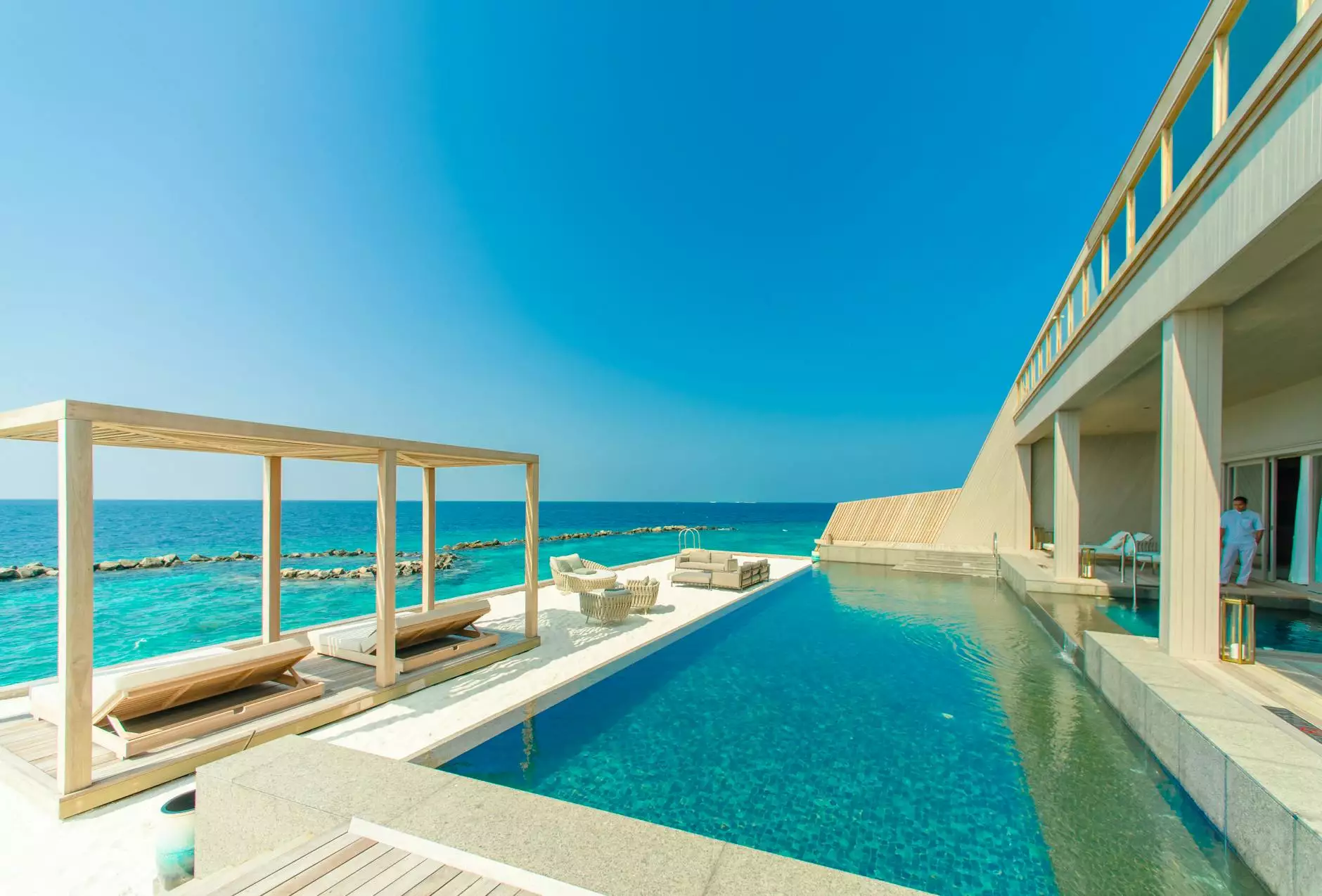
When it comes to creating the perfect swimming pool, one of the most critical aspects that determine durability, aesthetic appeal, and overall performance is the quality of plastering pool. This comprehensive guide delves into everything you need to know about pool plastering, including techniques, materials, benefits, and maintenance tips to achieve a flawless, long-lasting finish.
Understanding the Importance of Proper Plastering Pool Techniques
Pool plastering is a specialized process that involves applying a smooth, durable coating on the interior surface of a concrete or gunite pool. Proper application of plaster not only enhances the visual appeal but also provides vital protection against water chemistry, corrosion, and structural wear over time.
Most high-quality plaster finishes offer a seamless, aesthetically pleasing surface that can last for decades if correctly installed and maintained. Conversely, subpar plastering can lead to issues such as cracking, staining, porous surfaces, and an increased risk of water leakage.
Choosing the Right Materials for Plastering Pool
Selection of the appropriate plaster material is essential for optimal results. Key options include:
- Marble Dust Plaster: Known for its luxurious appearance and smooth finish, ideal for high-end pools.
- Cement-Based Plaster: The most common choice, offering durability and affordability.
- Quartz Plaster: Contains quartz particles for enhanced aesthetic and durability. Perfect for pools requiring extra resilience against chemicals and wear.
- Epoxy Plaster: Provides a waterproof barrier with a glossy finish, suitable for pools with challenging chemical conditions.
Choosing the right mixture depends on factors like pool usage, environment, and budget. Consulting a professional pool contractor from poolrenovation.com guarantees the best choice tailored to your needs.
The Step-by-Step Process of Plastering Pool
1. Surface Preparation
Before applying plaster, the pool surface must be meticulously cleaned to remove any debris, old coating, or laitance. The surface is then sanded or shot blasted to create a rough texture, ensuring optimal adhesion of the new plaster layer.
2. Repair and Patching
Any cracks, voids, or damages in the substrate are repaired with appropriate patching compounds or bonding agents. This step is crucial to maintain the structural integrity and prevent future issues.
3. Application of Bonding Agent
A bonding agent is applied to enhance the adhesion between the substrate and plaster. This step helps prevent delamination and ensures a seamless, durable finish.
4. Mixing and Applying Plaster
The plaster mixture is prepared according to manufacturer specifications, ensuring uniform consistency. Skilled applicators then spray or trowel the plaster onto the pool walls and floor in multiple layers, leveling the surface meticulously to avoid imperfections.
5. Finishing and Curing
Once the plaster is applied, it’s smoothed and textured as desired. The curing process is vital—keeping the surface moist during the initial days to prevent cracking and ensure proper setting. Usually, curing lasts around 7–14 days, depending on environmental conditions and plaster type.
Benefits of Professional Plastering Pool Services
- Enhanced Durability: Proper plastering extends the lifespan of your pool, resisting chemical erosion, cracking, and staining.
- Improved Aesthetics: Achieve a smooth, visually appealing finish that elevates your backyard landscape.
- Increased Water Resistance: High-quality plaster minimizes water leakage and reduces maintenance costs.
- Customization: Options like quartz or epoxy finishes allow for personalized designs, colors, and textures.
- Cost Efficiency: Investing in expert plastering mitigates future repairs, saving money long-term.
Common Challenges in Plastering Pool and How to Avoid Them
While plastering enhances your pool, common issues can arise if not performed correctly:
- Cracking: Results from improper curing or substrate movement. To prevent this, ensure proper surface prep and consistent curing.
- Staining and Discoloration: Caused by chemical imbalance or poor-quality plaster. Regular water testing and using high-grade materials help maintain color integrity.
- Delamination: Occurs if the plaster doesn’t bond well. Adequate bonding agents and surface prep are key preventative measures.
- Porosity: Leads to algae growth and staining. Proper sealing and finishing during application reduce porosity.
Maintaining Your Plastering Pool for Longevity
Regular maintenance is essential for keeping your pool’s plaster finish in pristine condition:
- Balanced Water Chemistry: Maintain proper pH, alkalinity, and chlorine levels to prevent scaling and staining.
- Regular Cleaning: Skimming debris and brushing the surface helps avoid algae and dirt buildup.
- Inspecting for Damage: Periodic checks for cracks or chips enable early repairs, preventing further deterioration.
- Resurfacing and Patching: Over time, minor repairs or re-plastering might be necessary to restore the surface’s integrity.
Why Choose Professionals for Plastering Pool?
While DIY options may seem tempting, professional pool contractors like poolrenovation.com offer unmatched expertise, equipment, and quality materials. Their specialized knowledge ensures:
- Accurate Surface Preparation for long-lasting results
- Consistent Application avoiding imperfections
- Optimal Material Selection for specific needs
- Proper Curing Processes preventing future cracks or delamination
Cost Considerations for Plastering Pool
The overall cost of pool plastering varies depending on factors such as pool size, chosen material, and labor rates. Typically, expenses include:
- Materials: High-quality plaster finishes range from $3 to $8 per square foot.
- Labor: Skilled application can cost between $10 and $20 per square foot.
- Additional Repairs: Repairing cracks, patching, or surface prep adds to total costs.
Investing in quality plastering services results in significant long-term savings by reducing maintenance and repair demands.
Innovative Trends in Pool Plastering
The industry continually advances with new technologies and designs, including:
- Colored Plaster Finishes: Offering a wide palette for personalized aesthetics.
- Stamped or Textured Plaster: Mimicking natural stone or decorative patterns.
- Eco-Friendly Materials: Environmentally sustainable options that reduce chemical usage and enhance safety.
- Enhanced Durability Coatings: Adding layers of protective sealants for increased longevity.
The Role of Water Heater Installation/Repair in Maintaining Your Pool
Complementing your pool’s plastering with efficient water heater installation or repair ensures a comfortable swimming experience and helps preserve the integrity of your pool surface. Proper water temperature management minimizes chemical imbalances which can harm plaster and other pool components.
Conclusion: Elevate Your Pool Experience with Expert Plastering
In summary, the process of plastering pool is a cornerstone of a visually stunning, durable, and low-maintenance swimming pool. Whether you're renovating an existing pool or constructing a new one, choosing skilled professionals guarantees superior results. PoolRenovation.com offers expert services specializing in pool resurfacing, water heater installation/repair, and comprehensive swimming pool maintenance.
Investing in high-quality plastering ensures your backyard oasis remains a source of joy and relaxation for years to come. The combination of advanced materials, meticulous application, and ongoing maintenance forms the foundation of a perfect swimming pool. Contact trusted specialists today to start your journey towards a stunning, resilient pool that elevates your home’s beauty and functionality.