Liquid Mercury Buyers: A Comprehensive Guide to Purchasing Liquid Mercury
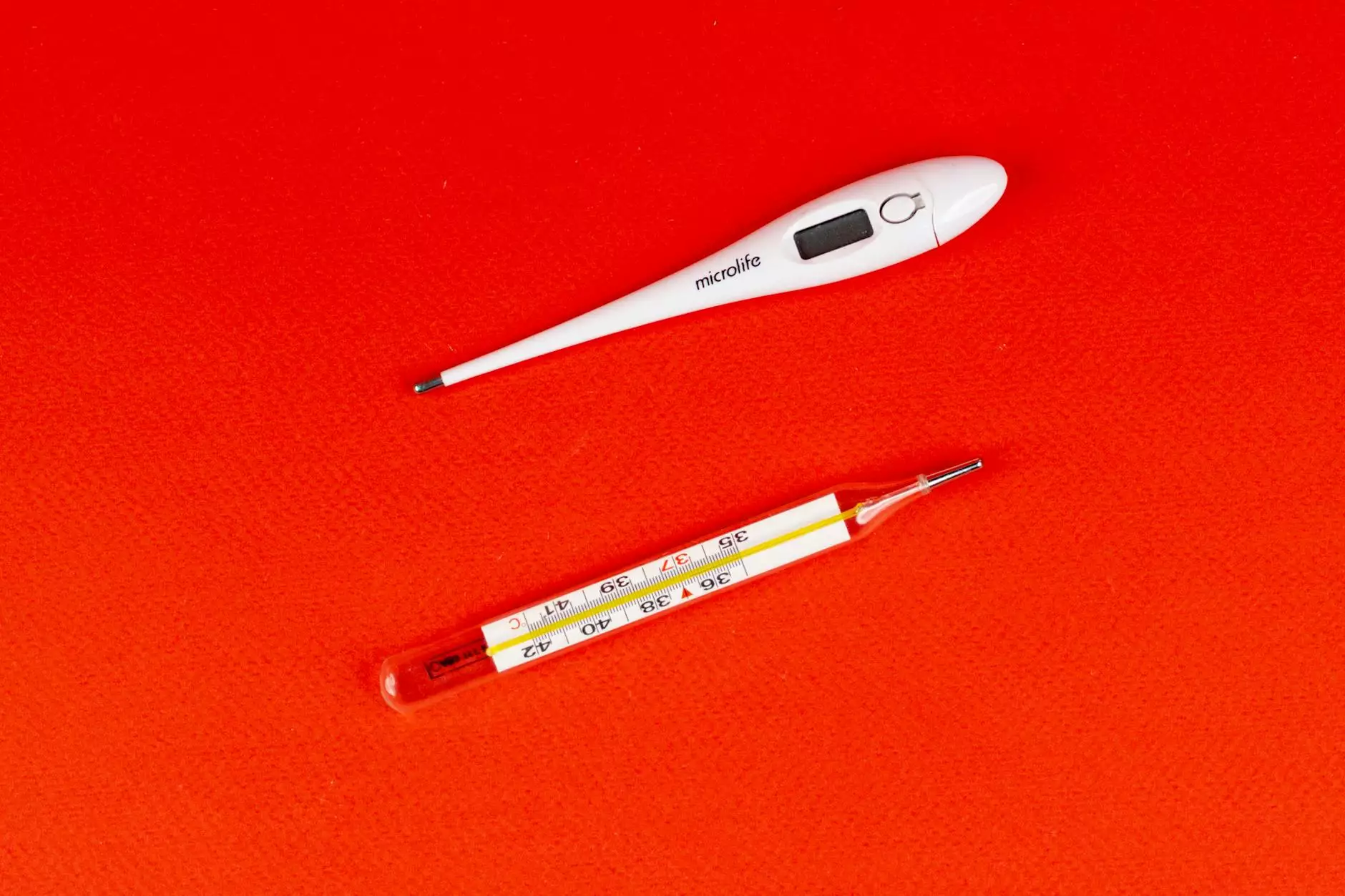
Liquid mercury is a fascinating substance that has various industrial applications. For buyers interested in acquiring this unique material, it's crucial to understand the market dynamics, safety considerations, and effective sourcing strategies. This article provides a detailed overview tailored specifically for liquid mercury buyers, ensuring you navigate this niche effectively.
Understanding Liquid Mercury
Liquid mercury, also known as quicksilver, is a chemical element with the symbol Hg. It is the only metal that is liquid at room temperature and has been used in many applications throughout history, including thermometers, barometers, and various industrial processes. However, due to its toxicity and environmental concerns, the handling and sale of liquid mercury are heavily regulated.
Properties of Liquid Mercury
- Appearance: Silver-white, shiny liquid.
- Density: Very dense, at approximately 13.6 g/cm3.
- Thermal Expansion: Expands uniformly with temperature.
- Toxicity: Highly toxic; careful handling is essential.
Why Buy Liquid Mercury?
For those looking to purchase liquid mercury, understanding the specific use cases is crucial. Here are some reasons why buyers may seek this substance:
1. Industrial Applications
Liquid mercury is used in various industrial applications, such as:
- Metallurgy: Used in the extraction of precious metals like gold and silver.
- Electrical Switches: Used in certain types of electrical switches and devices.
- Medical Instruments: Historically used in thermometers and barometers.
2. Scientific Research
Researchers may require liquid mercury for experiments or studies, particularly in fields like:
- Chemistry: As a reagent or a calibrating standard.
- Physics: In studies related to liquid metals and thermodynamics.
Safety Considerations for Liquid Mercury Buyers
Before acquiring liquid mercury, it is essential for liquid mercury buyers to understand and adhere to safety protocols:
1. Toxicity Awareness
Due to its toxic nature, mercury can pose serious health risks, including:
- Neurological Effects: Exposure can lead to cognitive and motor function impairment.
- Respiratory Issues: Inhalation of vapors can cause severe respiratory distress.
- Environmental Concerns: Mercury spills can have devastating effects on ecosystems.
2. Legal Regulations
Different countries have various regulations regarding the sale and use of liquid mercury. It is vital for liquid mercury buyers to:
- Understand local laws governing the purchase and storage of mercury.
- Ensure suppliers are compliant with safety and regulatory standards.
Sourcing Liquid Mercury: Where to Buy
Finding trustworthy suppliers is essential for those in the market to buy liquid mercury. Here are key considerations and tips for sourcing:
1. Recognized Suppliers
Seek out suppliers with a solid reputation in the industry. Look for:
- Certifications: Ensure they have the necessary certifications for handling mercury.
- Safety Protocols: Check their safety measures for packaging, transportation, and storage.
2. Online Marketplaces
Online platforms can provide access to numerous suppliers, but exercise caution:
- Verify Authenticity: Conduct background checks on potential suppliers.
- Request Samples: If possible, request samples to verify quality before large purchases.
Understanding Pricing for Liquid Mercury
The price of liquid mercury can fluctuate based on various factors including availability, demand, and purity. Here’s what liquid mercury buyers should keep in mind:
1. Market Trends
Stay informed about market trends that can affect pricing:
- Global Demand: Increased industrial use can drive prices higher.
- Regulatory Changes: New laws can impact availability and price.
2. Purity and Quality
The purity of liquid mercury affects not just the price but also its suitability for various applications. Ensure you:
- Check purity levels offered by suppliers.
- Understand how impurities might affect your specific use case.
Common Questions from Liquid Mercury Buyers
1. What should I do if I encounter mercury spills?
If a mercury spill occurs, it is important to:
- Evacuate the area immediately to avoid inhalation.
- Contact local environmental authorities for proper cleanup procedures.
2. Can liquid mercury be recycled?
Yes, liquid mercury can be recycled. Many facilities specialize in the safe reclamation and recycling of mercury, ensuring it does not harm the environment.
Conclusion: Making Informed Decisions as Liquid Mercury Buyers
For liquid mercury buyers, making informed decisions is paramount. By understanding the properties, safety considerations, sourcing strategies, and market dynamics, you can navigate this complex field with confidence. Remember to prioritize safety, adhere to regulations, and engage with reputable suppliers to ensure a successful acquisition of liquid mercury.