Understanding the Importance of Prototype Maquettes in Architecture and Design
In the world of architecture, interior design, and various creative fields, the concept of a prototype maquette serves as a pivotal tool in the development and communication of ideas. This article delves deep into what prototype maquettes are, their significance in architectural processes, and how they can be effectively utilized across various creative disciplines.
What is a Prototype Maquette?
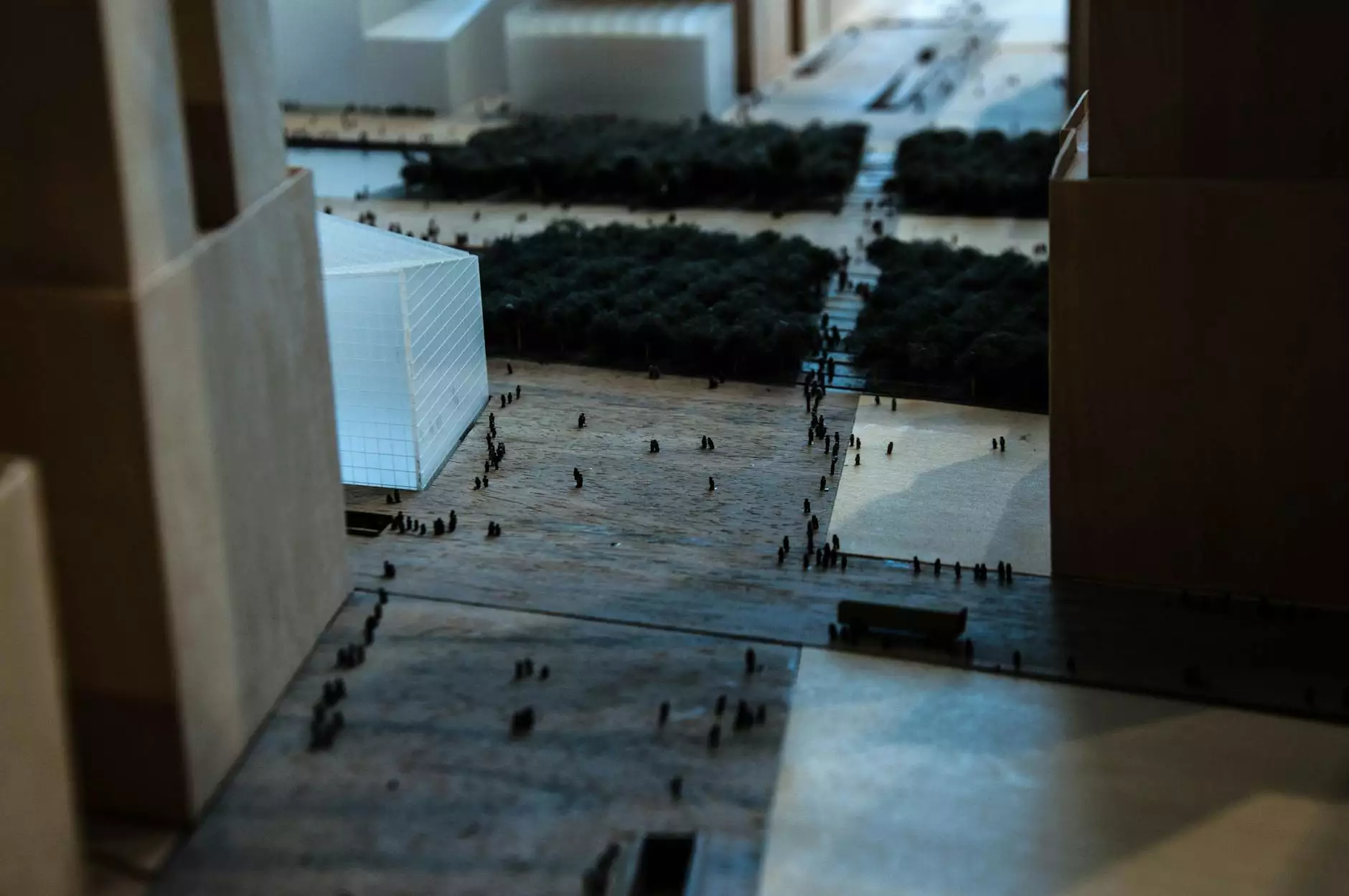
The term "maquette" derives from the French language, where it refers to a model or a small-scale version of a design. In essence, a prototype maquette is a physical representation that showcases the size, shape, and intricacies of a design before constructing the final product. Whether for architectural projects, sculptures, or other creative works, these models are crucial for testing concepts and visualizing ideas.
Key Features of Prototype Maquettes
- Scaled Representation: Maquettes are typically produced on a smaller scale, allowing designers to create accurate, manageable models of larger projects.
- Tactile Experience: They offer a hands-on understanding of design elements, helping both designers and stakeholders interact with a physical object.
- Visual Communication: Prototype maquettes serve as effective tools for conveying ideas to clients and team members, enhancing understanding.
- Iterative Development: These models allow for easy adjustments and iterations, fostering a more fluid creative process.
The Role of Prototype Maquettes in Architecture
In architecture, the use of a prototype maquette is instrumental at various stages of the design process. Here’s how these models influence architectural practices:
1. Enhancing Design Clarity
One of the paramount advantages of using a prototype maquette is its ability to enhance design clarity. Architects can present their concepts through tangible models, allowing clients and stakeholders to visualize the final outcome better. This clarity helps in minimizing misinterpretations that often occur when communicating through 2D plans.
2. Facilitating Collaborative Discussions
Communication is vital in any design process. The prototype maquette acts as a centerpiece during meetings, enabling architects, clients, and other professionals to engage in meaningful discussions. The physical model facilitates a collaborative dialogue, allowing participants to express preferences, ideas, and concerns more effectively than through digital or paper representations.
3. Space and Volume Visualization
Understanding space and volume is crucial in architecture. A prototype maquette provides a three-dimensional perspective, allowing designers to evaluate how spaces interact with one another. By manipulating the model, architects can assess sight lines, spatial relationships, and overall flow, ensuring that the design meets both aesthetic and functional requirements.
4. Testing Materials and Finishes
Prototype maquettes can also be constructed using varying materials to simulate the final build. This testing phase allows architects to experiment with different finishes, colors, and textures, giving a clearer picture of how materials will appear in the constructed environment. Choosing the right materials early in the design process can save valuable time and resources later on.
Types of Prototype Maquettes
Prototype maquettes come in various forms, each serving different purposes in the design process. Below are some common types:
- Presentation Maquettes: These are highly detailed and polished models used for presentations to clients and stakeholders.
- Study Maquettes: Typically rough and unpolished, study maquettes focus on exploring ideas and concepts rather than aesthetics.
- Scale Models: Used for precise representation, scale models help in understanding proportions and spatial relationships.
- Virtual Maquettes: With advances in technology, digital maquettes created with 3D software are also utilized alongside physical models.
The Impact of Prototype Maquettes on Design Innovation
In an ever-evolving design landscape, innovation is key. The prototype maquette fosters creativity by providing designers a platform to experiment with unconventional ideas. Here’s how these models drive design innovation:
1. Encouraging Experimentation
The tangible nature of a prototype maquette allows designers to explore various concepts without committing to expensive construction costs. This freedom fosters a culture of experimentation, where creative solutions can flourish without fear of failure.
2. Source of Feedback
Feedback is essential for growth. Prototype maquettes enable designers to gather insights from peers, clients, and other stakeholders early in the process. This feedback loop promotes iterative design, ultimately leading to more refined outcomes.
3. Bridging Creativity and Functionality
While creativity is crucial, functionality cannot be overlooked. Prototype maquettes allow designers to simultaneously explore aesthetics and practical applications, ensuring that the final design not only captivates but also serves its intended purpose effectively.
Best Practices for Creating Prototype Maquettes
Creating effective prototype maquettes requires a blend of artistry and technical skills. Here are some best practices to consider:
1. Define Objectives Clearly
Before starting the maquette, clarify its purpose. Are you exploring a concept, creating a presentation model, or testing materials? Understanding the objective will guide your design process.
2. Choose the Right Materials
The choice of materials significantly influences the model's accuracy and durability. Use lightweight materials for easy handling and manipulation and consider using materials that closely represent the final design's aesthetic qualities.
3. Start with a Rough Model
Begin with a basic structure to capture the essential elements of the design. This rough model can then be refined and detailed in subsequent iterations, allowing for flexibility and adjustment.
4. Iterate and Refine
Utilize feedback to iterate on your design. Creating multiple versions of your maquette enables you to explore alternative ideas and refine your vision effectively.
Conclusion: The Future of Prototype Maquettes in Design
As the creative landscape continues to evolve, prototype maquettes will undoubtedly remain integral to various fields, particularly in architecture. Their ability to enhance communication, foster collaboration, and drive innovation ensures that they will continue to play a vital role in the development of designs.
Businesses like maquettes-architecture.fr are at the forefront of this exciting intersection of art and utility, pushing boundaries and redefining possibilities within architecture and creative design. Embracing the use of prototype maquettes not only optimizes the design process but also elevates the overall quality of projects, ensuring that visions become reality in the most efficient and inspiring ways possible.