Understanding Hysteroscopy Septoplasty: A Comprehensive Guide
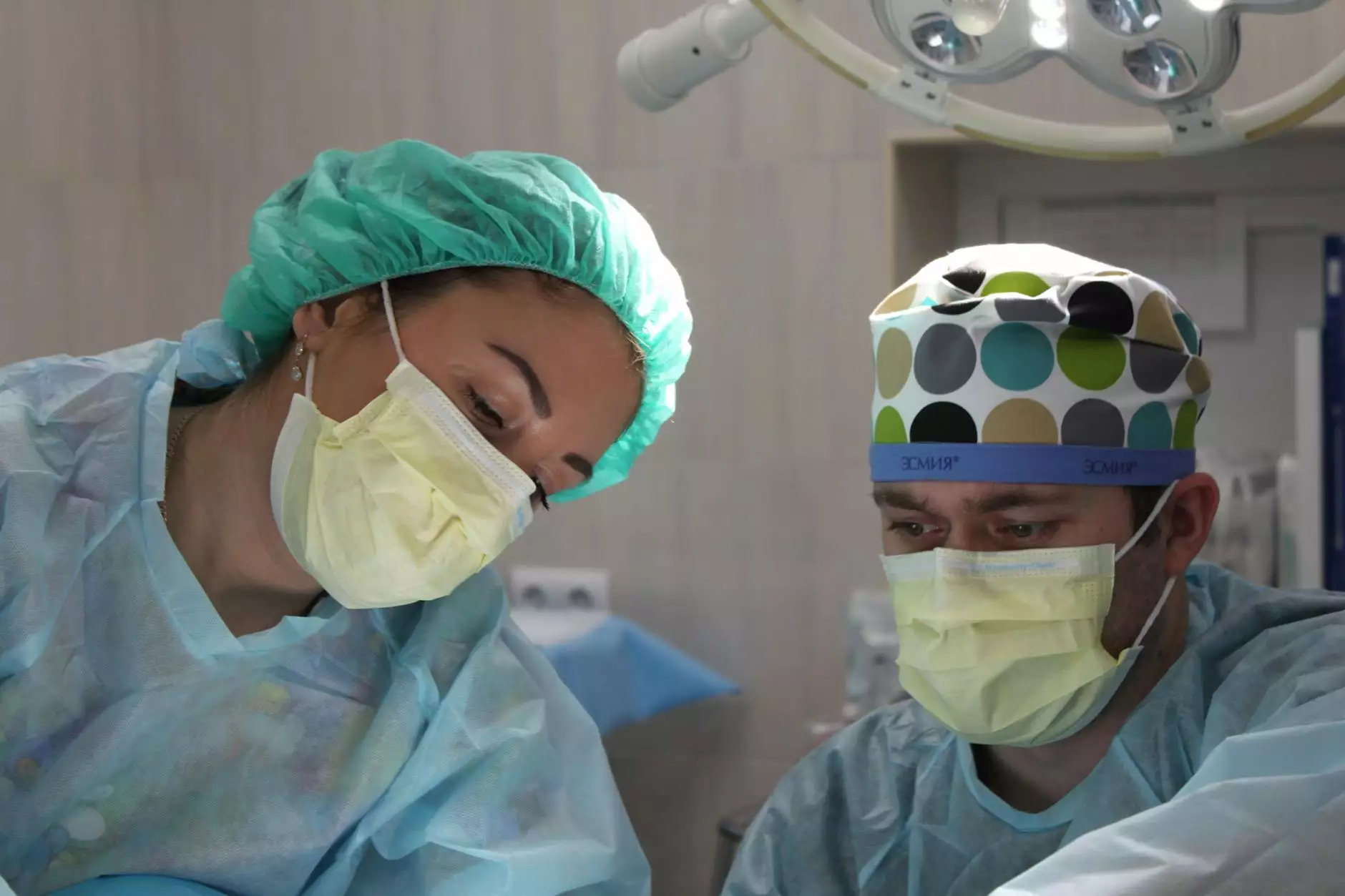
In the realm of health and medical services, particularly in the field of reproductive health, one procedure that stands out is hysteroscopy septoplasty. This procedure plays a vital role in addressing certain conditions that affect the uterus, providing a pathway to improved reproductive health and overall well-being.
What is Hysteroscopy Septoplasty?
Hysteroscopy septoplasty is a minimally invasive surgical procedure designed to correct a septate uterus. A septate uterus is a congenital uterine anomaly where a fibrous or muscular septum divides the uterine cavity. This condition can lead to various reproductive issues, including repeated miscarriages and infertility. The procedure involves using a hysteroscope, a thin tube equipped with a camera, which allows doctors to see inside the uterus and guide surgical instruments to remove the septum.
The Importance of Hysteroscopy in Reproductive Health
Hysteroscopy is an essential tool in reproductive health services. Apart from septoplasty, hysteroscopy can help diagnose and treat a range of uterine conditions. Here are some reasons why hysteroscopy is crucial:
- Diagnosis: Hysteroscopies allow for direct visualization of the uterine cavity, helping doctors diagnose conditions such as polyps, fibroids, and adhesions.
- Treatment: In addition to diagnosis, hysteroscopy can be utilized to treat these conditions in the same procedure.
- Minimally Invasive: This approach is less invasive compared to traditional open surgery, resulting in less pain, shorter recovery times, and reduced hospital stays.
- Improved Recovery: Patients generally experience quicker recovery times and can often return to their daily activities much sooner than with more invasive surgical options.
Who Should Consider Hysteroscopy Septoplasty?
Women facing specific reproductive health challenges may benefit significantly from hysteroscopy septoplasty. Common indications for this procedure include:
- Recurrent Miscarriages: Women with a septate uterus may experience difficulties maintaining a pregnancy. Septoplasty can improve outcomes.
- Infertility: Correcting a septate uterus increases the chances of conception for some women struggling with infertility.
- Abnormal Uterine Bleeding: Uterine anomalies can cause irregular menstrual cycles. Addressing the septum can help regulate these cycles.
- Anatomical Abnormalities: Women diagnosed with a septate uterus during routine examinations should consider this procedure for corrective action.
The Hysteroscopy Septoplasty Procedure Explained
The procedure itself generally follows several stages:
Pre-Procedure Preparation
Before the surgery, your doctor will conduct a thorough evaluation, which typically includes:
- Medical History Review: Understanding the patient's medical background helps to tailor the procedure.
- Ultrasound Imaging: An ultrasound may be performed to visualize the uterus and confirm the presence of a septum.
- Hysterosalpingography (HSG): This imaging technique can help assess the shape of the uterine cavity.
During the Procedure
The hysteroscopy septoplasty takes place in a surgical setting, often under general anesthesia or local anesthesia, depending on the case and patient preference. Here's what typically happens:
- Insertion of the Hysteroscope: The hysteroscope is gently inserted into the uterus through the vagina and cervix.
- Visualization: The camera allows the surgeon to see the uterine cavity clearly, guiding them as they work.
- Resection of the Septum: Specialized instruments are used to cut and remove the septum, carefully preserving healthy uterine tissue.
- Completion: Once the septum is removed, the doctor will confirm the uterine cavity’s integrity before removing the hysteroscope.
Post-Procedure Care
After the procedure, patients can expect:
- Recovery Time: Most women are able to return home the same day, often resuming normal activities within a few days.
- Follow-Up Appointments: It's important to attend follow-up visits to ensure proper healing and monitor recovery.
- Pain Management: Some discomfort may be present post-surgery, but pain management strategies will be discussed with your healthcare provider.
- Menstrual Changes: Periods may be irregular initially as the body heals and adjusts.
Benefits of Hysteroscopy Septoplasty
The benefits of undergoing hysteroscopy septoplasty are extensive and can transform a woman's reproductive health. Here are the primary advantages:
- Enhanced Fertility: Correcting a septate uterus significantly improves the likelihood of maintaining a healthy pregnancy.
- Minimized Risks: The minimally invasive nature of the procedure reduces the risks associated with larger surgical interventions.
- Increased Comfort: Patients experience less pain during and after the procedure, allowing for a more comfortable treatment experience.
- Effective Recovery: With a quick recovery time, patients can get back to their normal lives significantly faster.
Potential Risks and Considerations
While hysteroscopy septoplasty is generally safe, like any surgical procedure, it does come with potential risks and complications. Awareness of these risks is crucial for informed decision-making:
- Infection: There's a small chance of developing an infection during or after the procedure.
- Uterine Perforation: Rarely, the hysteroscope may create a small perforation in the uterine wall.
- Scarring: Adhesions (scar tissue) may develop, which can be treated if they occur.
Choosing the Right Specialist
Choosing a qualified healthcare provider is essential for anyone considering hysteroscopy septoplasty. Look for a specialist with:
- Experience: Ensure the doctor has extensive experience performing hysteroscopy and has handled septoplasty cases.
- Credentials: Verify that the practitioner is board-certified in obstetrics and gynecology.
- Positive Reviews: Seek testimonials or reviews from former patients to gauge the quality of care.
- Comprehensive Approach: A good specialist will thoroughly explain all aspects of the procedure, including risks and benefits.
Conclusion
In conclusion, hysteroscopy septoplasty represents a significant advancement in treatment options for women facing uterine anomalies. By addressing issues such as a septate uterus, this procedure paves the way for improved reproductive health and helps women achieve their dream of motherhood. Always consult with healthcare professionals to explore the benefits, risks, and appropriate pathways for personal health needs.
Contact Us
If you're seeking more information regarding hysteroscopy septoplasty or need consultation, visit drvindhya.com to connect with experienced healthcare professionals committed to providing top-quality care in doctors, health & medical, and reproductive health services.