Unlock Efficiency with Barcode Printers: The Essential Guide for Businesses
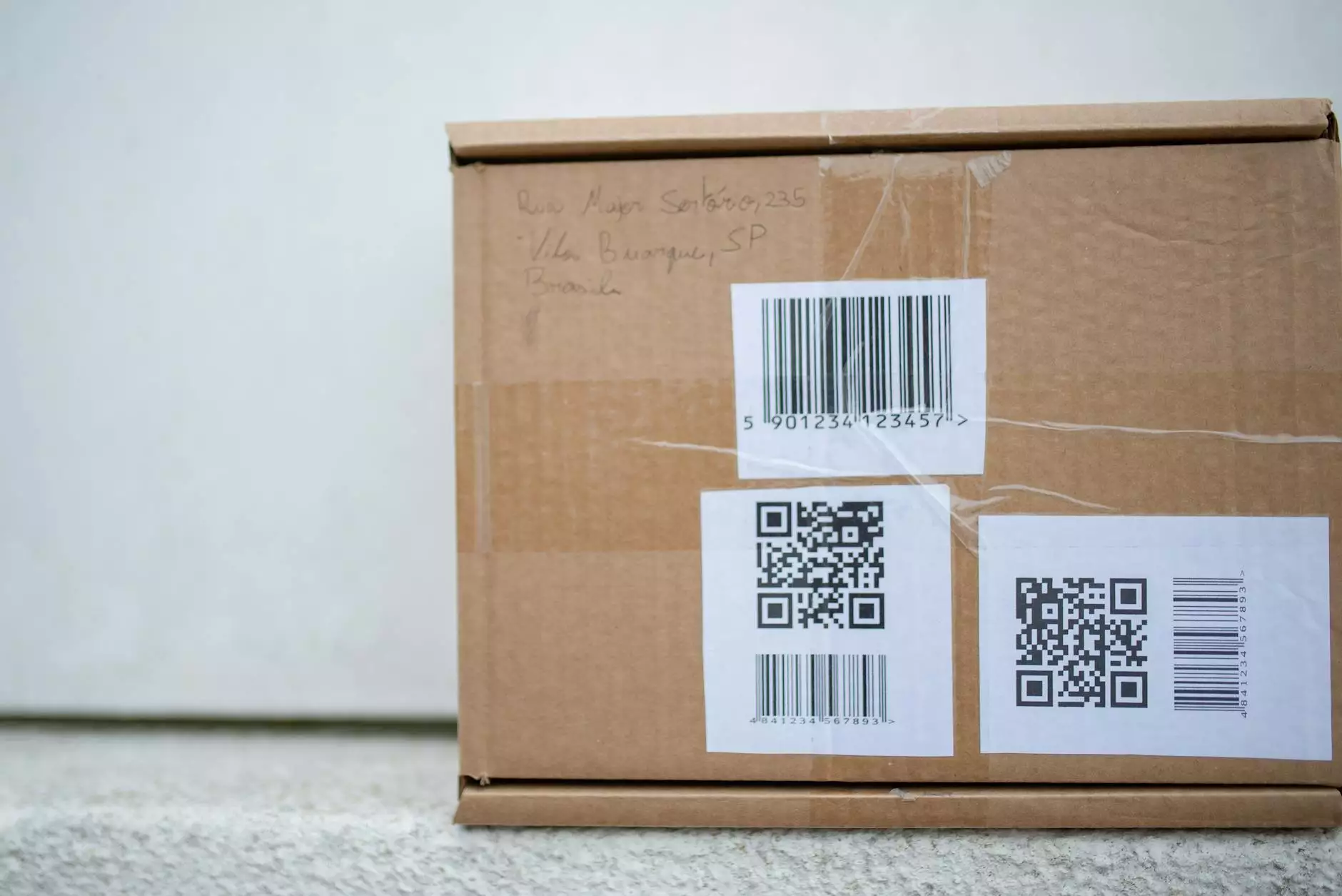
As modern businesses continually strive for efficiency, the importance of effective inventory management is undeniable. One of the most instrumental tools in achieving this is the barcode printer. This article provides an in-depth exploration of barcode printers, discussing their functionality, advantages, and how they can elevate your business operations.
What is a Barcode Printer?
A barcode printer is a specialized printing device specifically designed to produce high-quality barcodes. These printers utilize a variety of printing technologies, such as thermal transfer and direct thermal printing, to create barcodes that can be scanned easily by barcode scanners. The versatility of barcode printers makes them immensely valuable across various industries, from retail to healthcare.
How Do Barcode Printers Work?
Understanding how a barcode printer works can help you appreciate its efficiency and functionality. Here are the key components and processes involved:
- Printer Technology: Most barcode printers use either thermal transfer or direct thermal printing technologies. Thermal transfer printers use heat to transfer ink from a ribbon onto the label material, producing durable and high-quality images. Direct thermal printers, on the other hand, use heat-sensitive paper that changes color when heated.
- Design Software: Barcode printers often come with design software that allows users to create custom barcodes. Users can input data, adjust sizes, and add graphics or logos before printing.
- Label Stock: Printing can be done on various label stocks, including paper, plastic, and synthetic materials, depending on the application and durability needs.
- Scanning: Once printed, barcodes can be scanned by barcode scanners, enabling quick data input into systems like inventory management software.
Benefits of Using Barcode Printers
The integration of barcode printers into your business operations provides numerous benefits:
1. Increased Efficiency
Using barcode printers streamlines the process of tracking and managing inventory. Instead of manually entering data, employees simply need to scan barcodes, significantly reducing errors and saving time.
2. Improved Inventory Management
Barcode technology provides real-time tracking of inventory levels. This allows businesses to maintain optimal stock levels, reducing the risk of overstocking or stockouts.
3. Cost-Effective
While investing in a barcode printer may seem costly initially, the long-term savings from reduced labor costs, minimized errors, and lower inventory handling costs make it a worthwhile investment.
4. Enhanced Accuracy
By eliminating manual data entry, barcode printers enhance accuracy and reduce errors associated with human input. This ensures that your inventory records are consistently up to date.
5. Customization Options
Many barcode printers allow businesses to customize their labels, incorporating logos, colors, and specific information to meet branding or regulatory requirements.
Applications of Barcode Printers
The applications for barcode printers are vast and varied. Here are some common scenarios:
- Retail: In retail, barcode printers help manage inventory, streamline the checkout process, and ensure accurate pricing.
- Healthcare: Hospitals and clinics use barcode technology for patient identification, medication tracking, and inventory control of medical supplies.
- Manufacturing: In manufacturing environments, barcode printers are used for tracking raw materials, managing workflows, and ensuring product quality.
- Logistics: Shipping and logistics companies integrate barcodes to track packages and shipments efficiently.
- Food and Beverage: Food safety regulations require accurate labeling, and barcode printers ensure compliance with tracking expiration dates and batch numbers.
Choosing the Right Barcode Printer
When selecting the right barcode printer for your business, consider the following factors:
1. Printing Technology
Decide between thermal transfer and direct thermal printing based on your print volume and label durability needs.
2. Volume of Printing
Evaluate how many labels you need to print daily or weekly. Higher-volume businesses may require industrial-grade printers that can handle significant workloads.
3. Connectivity Options
Look for printers that offer various connectivity options such as USB, Ethernet, or wireless, allowing flexibility in your printing setup.
4. Label Size and Material
Consider what size labels you will be using and the materials they are printed on. Ensure the printer you choose supports your specific requirements.
5. Software Compatibility
The barcode printer should be compatible with the design software and inventory management systems you use, ensuring a seamless integration into your operations.
Best Practices for Using Barcode Printers
To maximize the efficiency and effectiveness of your barcode printer, follow these best practices:
- Regular Maintenance: Keep your printer clean and perform regular maintenance checks to ensure optimal performance.
- High-Quality Labels: Use high-quality label stock that matches your printer's specifications to avoid print quality issues.
- Barcode Standards: Adhere to industry standards for barcode design to ensure compatibility with scanners and systems.
- Training Employees: Provide training for employees on how to operate the printer and understand barcode scanning processes.
The Future of Barcode Printing
The future of barcode printing is poised for advancements. With the rise of mobile technology, NFC (Near Field Communication), and IoT (Internet of Things), we can expect to see innovative solutions that enhance the functionality of barcode printers. Businesses should be prepared to adapt to these changes, leveraging new technologies to improve operations further.
Conclusion
In conclusion, integrating a barcode printer into your business operations can lead to increased efficiency, accuracy, and overall productivity. Whether you are in retail, healthcare, manufacturing, or logistics, the benefits are clear. By choosing the right printer and following best practices, your organization can stay ahead in a competitive marketplace and streamline processes like never before.
For more information and assistance in selecting the right barcode printer for your business, visit Durafastlabel.ca.